Mississippi Timber
Mississippi Department of Agriculture and Commerce
$1.48 Billion value of production
84,024 Forest-related jobs
$4.42 Billion in income
Forestry accounts for 4% of ALL Jobs
15.44 Billion in forestry and forestry product industry
Forest product manufacturing represents the largest share of total manufacturing GDP in Mississippi at 14.9%
Whether you fly over or drive through Mississippi, you are immediately impressed by the beauty and abundance of our timberlands. With approximately 19.3 million acres of forest land, Mississippi is ranked 3rd in timber producing acres in the Southeastern US.
Mississippi has
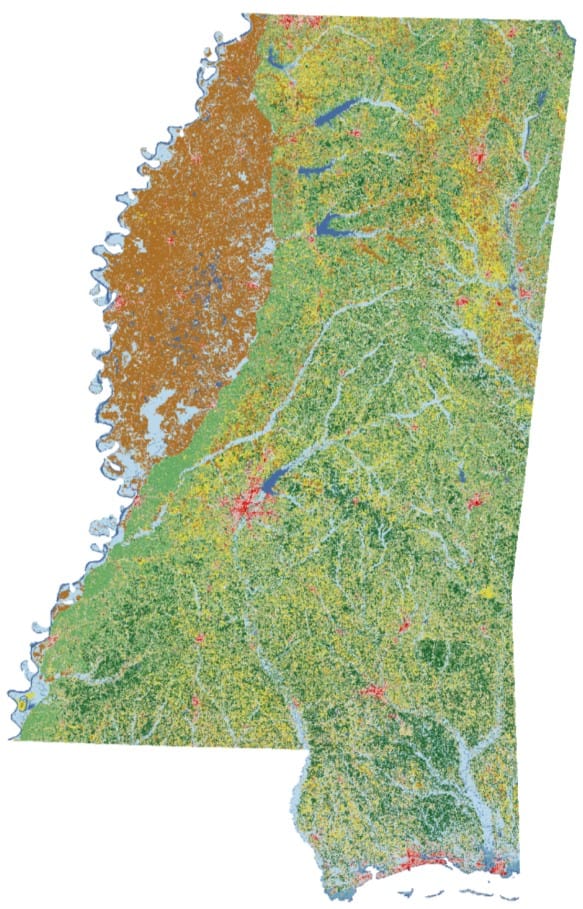
The Mississippi Department of Agriculture and Commerce and Mississippi State University contributed to produce this map.
Downloadable version may be obtained at http://datagateway.nrcs.usda.gov/
Acreage data from the US Forest Service’s Forest Inventory Analysis, and NAFO.
19 million acres of forestland
%
63% covered in forestland
%
89% privately owned
Timber as the 2nd largest commodity
1,000 loggers operating under the Sustainable Forestry Initiative Standards, SFI
1,939 private, non-industrial landowners
2,904 certified American tree farms
PRIVATE owned American Tree Farm System Standards (ATFS) total 809,378 Acres
1,051 state owned ATFS tree farms
Total of 1.28 million Acres in Certified Tree Farms under the ATFS
Timber is the Leading Agricultural commodity in over half of the counties in the state
From Mississippi State University Extension Forestry
As north Mississippi landowners start to get out and look at their property to see what kind of damage occurred over the last week, here are a few tips Written by Protected_User_391c7895 late colleague, Dr. Glenn Hughes. Also remember, our markets were incredibly depressed before this event took place. That hasn’t changed and many will not be able to salvage damaged timber, period. This listing is intended to help increase your chances of doing so to the greatest degree possible...
Landowner Do’s and Don’ts in Salvaging Damaged Timber
Dr. Glenn Hughes, Extension Professor, Mississippi State University Extension Service
Below are some “Do’s” and “Don’ts” for landowners needing to make informed decisions on handling damaged timber:
-
- DO get help from a registered forester. He or she will help you make management decisions regarding your timber. These decisions include whether or not to harvest (salvage) damaged timber, as well as provide an assessment of the amount of damage for tax purposes.
- DO get started promptly. Timber left down, particularly snapped trees, degrades in quality rapidly and loses considerable value in the first 60-90 days. Trees still attached to the root ball may last till spring or early summer before losing value.
- DO focus on high value forest products, particularly sawtimber, plylogs, and chip-n-saw. These are more valuable to the forest landowner, and should receive the most attention.
- DO what you can to make a timber sale more attractive, if possible. This includes locating property lines or corners, having a good road system, and perhaps even offering a deer camp as a place for the logging crew to stay.
- DO consider going with an adjoining landowner on a timber sale, particularly if both of you have small tracts of timber. Make sure you and your neighbor agree on how to split the proceeds, and request a copy of all gate receipts.
- DO consider putting your high value products in wet storage as soon as possible. There are wet storage areas being made available, and some mills will accept wood stored in ponds due to the limited amount of wet storage facilities compared to the large amount of down and damaged timber.
- DO expect depressed prices for salvaged timber compared to comparable sales of 2 months ago. This is a function of the higher logging costs, higher fuel prices, and greater degree of uncertainty at the mill about log quality.
In addition to the above, there are some “Don’ts” that landowners need to consider:
-
- DON’T panic or over-react to this damage. Yes, damage has been considerable, but our eyes are attracted to the broken or blown over trees. In most forests there are still a lot of undamaged or manageable trees.
- DON’T expect income from pulpwood. With the high logging costs necessary due to extensive and dangerous chainsaw work, landowner income from pulpwood is small.
- DON’T harvest undamaged trees if the residual stand is manageable.
- DON’T expect your property to look like a park when the logging is finished. However, in a small amount of time, generally 1-2 years, it will look much better than it does now.
- DON’T forget about insect and health issues with your trees. With pines, bark beetles may come into stressed trees the spring.
Mississippi timber mills produce everything from utility poles, construction mats, dimensional lumber, plywood, newsprint, timbers, beams, pallets, and pellets.
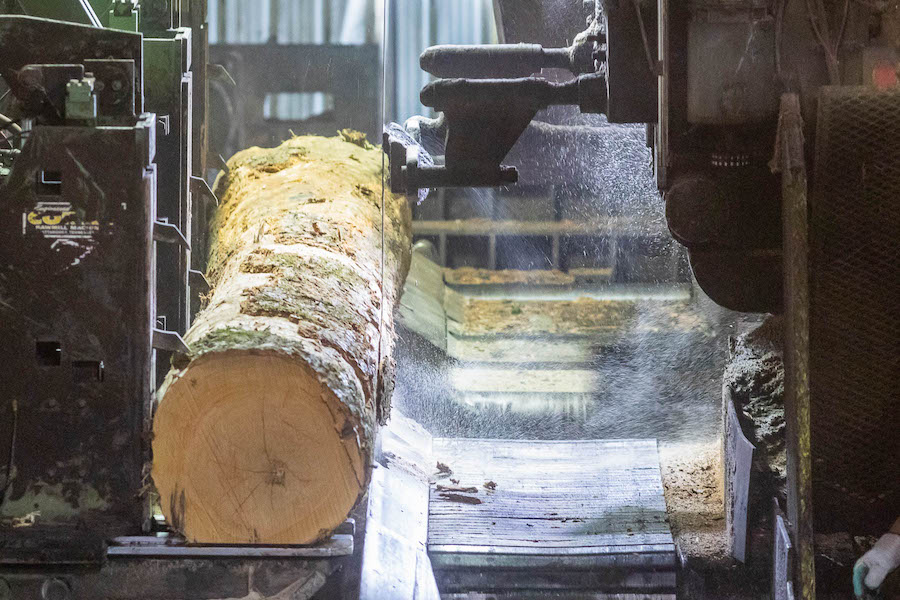
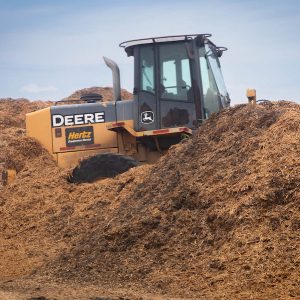
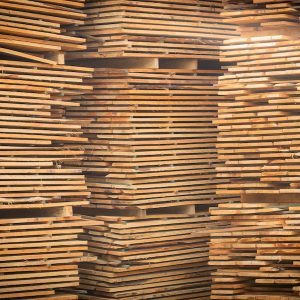
Mississippi has a strong infrastructure of timber resources including privately owned timberland, a well-trained logging community committed to the sustainability of our forests, state of the art mills, and home to some of the world’s largest bio-mass pellet companies.
Contact Us
Get In Touch Anytime!
Email, call, or fill out the form and we'll do our best to get your questions answered.
Email Address
Call Us
Our Address
121 N. Jefferson St, Jackson, MS 39202